Chloe Castle & Maud Westendorp (2026) *Both authors contributed equally to this work.
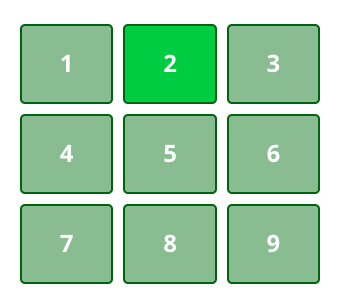
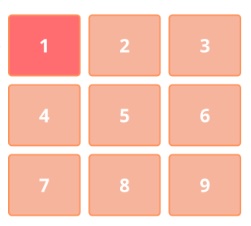
This project is part of a longitudinal study on English as a Foreign Language learning in Northern Norway (Tromsø). The Digit Span Task (DST) is an automated cognitive assessment designed to measure verbal working memory in children aged 5–7. This project includes two DSTs: a forward and a backward digit task. Participants hear a sequence of digits presented as auditory stimuli and recall the sequence using a touch-/click-based numpad in the same, or reverse order. The response logic is similar to visual-spatial working memory tasks such as a Corsi block tapping task. The task is currently configured with Norwegian audio recordings (i.e., instructions, digits and feedback), but these can be easily replaced with audio in other languages to suit different populations.
The code for this task is a modification of the visual-spatial working memory task "Frankie Frog" by McDougal et al. (2024). Images for the instructions and feedback were created using Canva (Canva art images are from artists Makimo from かわいいPOPなテンプレ⭐まきも and leonid).
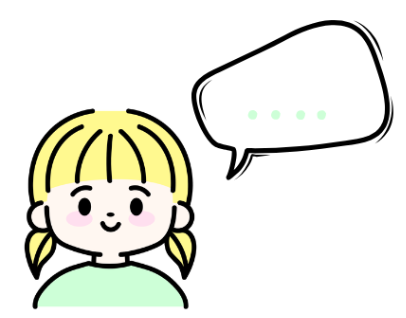
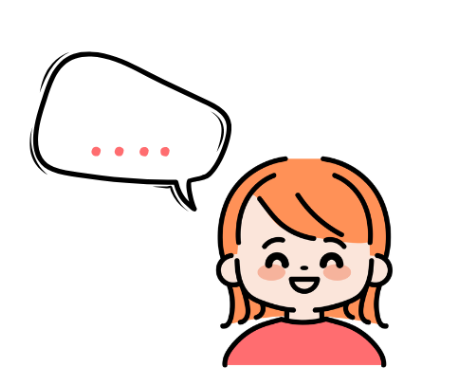
We developed this digit span task to provide a user-friendly and engaging way to assess working memory in young children. The task is presented as a playful number game, where two characters, Emma and Solveig, invite participants to join them. Emma asks participants to recall her numbers in the same order they were presented (forward digit span), while Solveig challenges them to recall the numbers in reverse order (backward digit span). The storyline was created to help maintain the attention and motivation of young participants throughout the task. While the task is optimized for children aged 5–7, it can be adapted for other age groups by modifying the sequence lengths, number of repetitions or presentation times. The code is annotated with comments to show where these changes can be made.
Traditionally, auditory digit span tasks are conducted individually with an administrator sounding out the digits and the child repeating them back. This set-up is time-consuming, but is well suited for testing verbal working memory. Our set-up makes it possible to test larger groups of students simultaneously. However, it is important to consider the possibility that motor development may interfere in task performance for very young children. The fact that the tasks are designed for touchscreen or mouse-based input and means they may not be suitable for participants with significant motor impairments or those who require alternative input methods.
The materials are made publicly available to encourage replication, adaptation, and further research. Users are free to modify the task to suit their needs. Please credit the original creators when using or adapting this task using the preferred citation.
The following is a list of content on this page, which can be combined into an experiment as desired using the Gorilla task builder.
Built with Code Editor
Code for the forward digit span task ("Emma's game"). The sequence length starts at 2 digits, an additional digit is added after 4 spans if the participants recalled at least two sequences correctly. A feedback sound is provided after every trial and at the end of each "level":

Creative Commons Attribution (CC BY)
Built with Code Editor
This is the code for the practice round of the forward digit span task. The sequence length is always 2 digits. The practice round ends when the participant has recalled three sequences correctly. A feedback sound is provided after every trial.
Creative Commons Attribution (CC BY)
Built with Code Editor
Code for the backward digit span task ("Solveig's game"). The sequence length starts at 2 digits, an additional digit is added after 4 spans if the participants recalled at least two sequences correctly in reverse order. A feedback sound is provided after every trial and at the end of each "level":

Creative Commons Attribution (CC BY)
Built with Code Editor
This is the code for the practice round of the backward digit span task. The sequence length is always 2 digits. The practice round ends when the participant has recalled three sequences correctly in backward order. A feedback sound is provided after every trial.
Creative Commons Attribution (CC BY)
Built with Task Builder 2
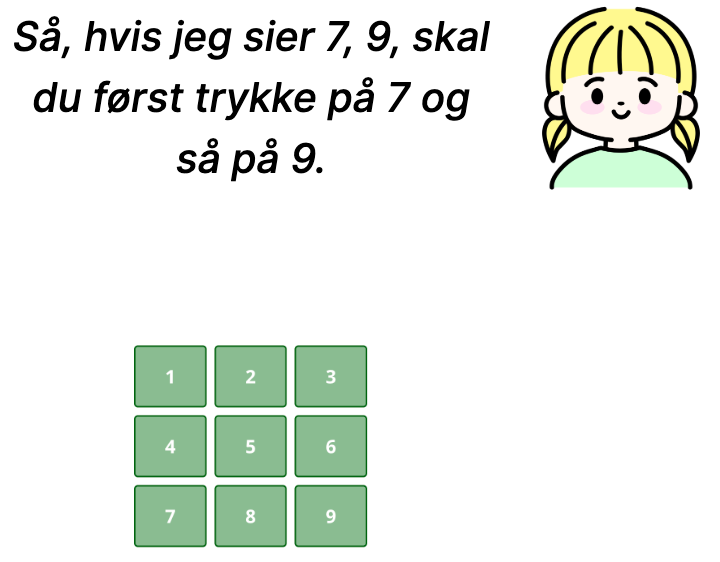
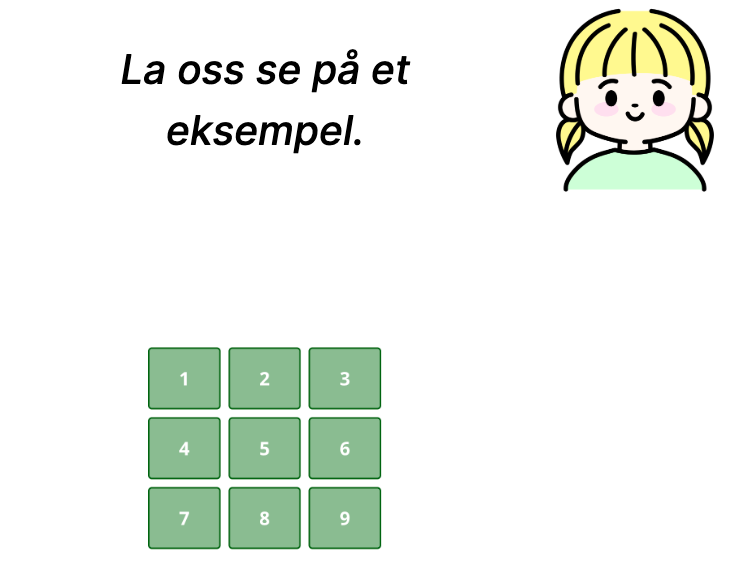
Pre-practice round set of instructions for Emma's game/forward digit span. Emma explains her game and gives two examples.
Creative Commons Attribution (CC BY)
Built with Task Builder 2
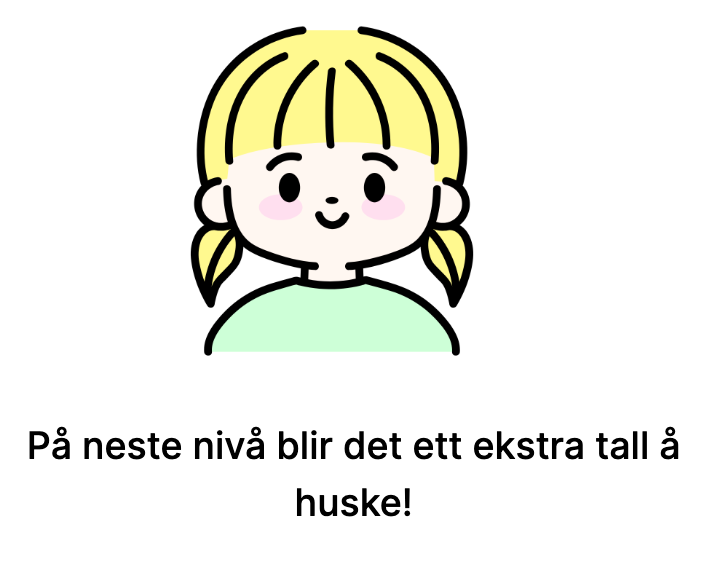
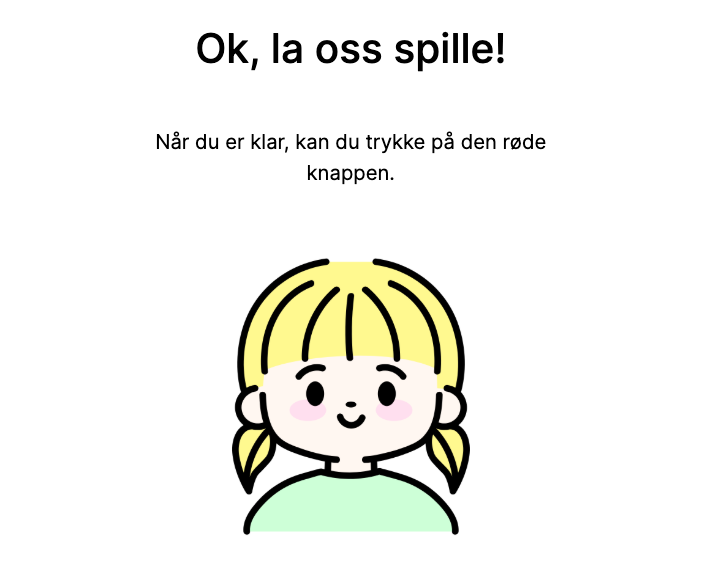
Post-practice round set of instructions for Emma's game/forward digit span. It is explained that the real task will progressively get harder.
Creative Commons Attribution (CC BY)
Built with Task Builder 2
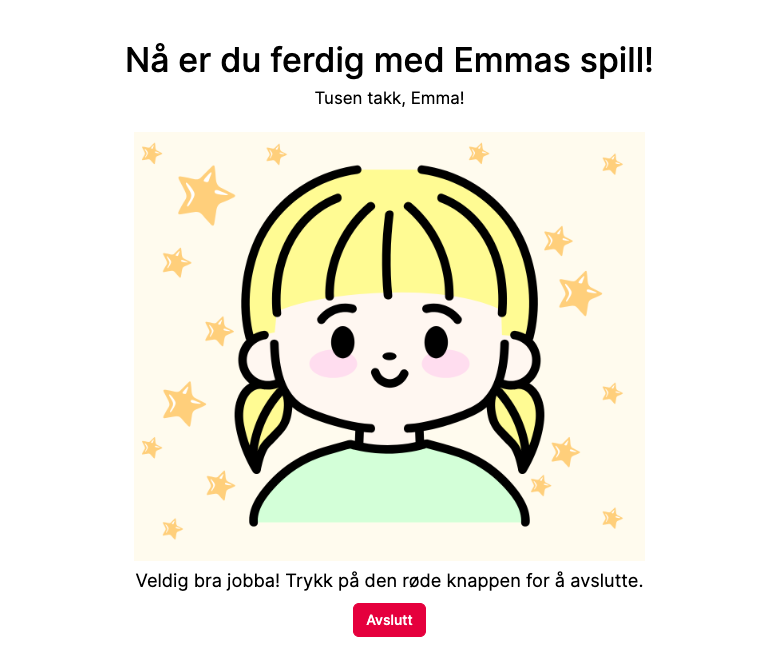
Post-game finishing screen for Emma's game/forward digit span.
Creative Commons Attribution (CC BY)
Built with Task Builder 2
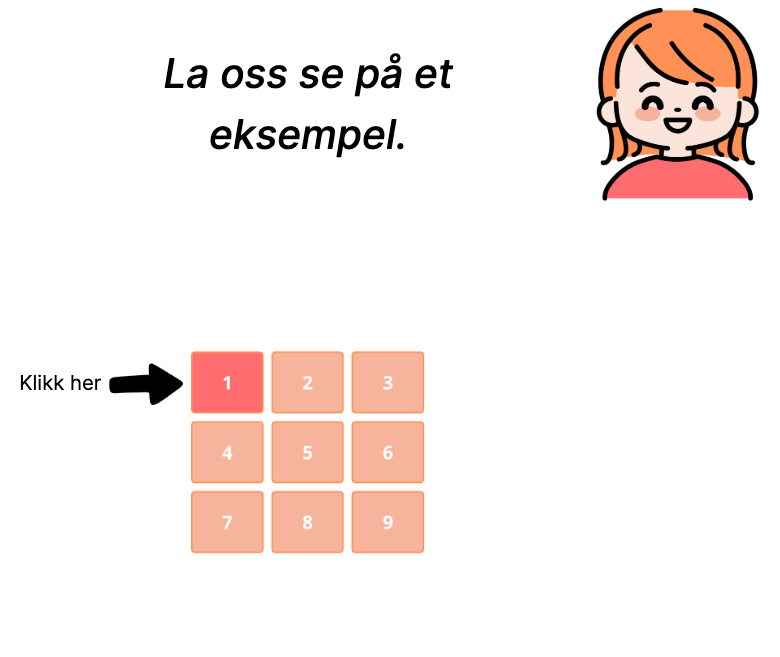
Pre-practice round set of instructions for Solveig's game/backward digit span. Solveig explains her game and gives two examples.
Creative Commons Attribution (CC BY)
Built with Task Builder 2
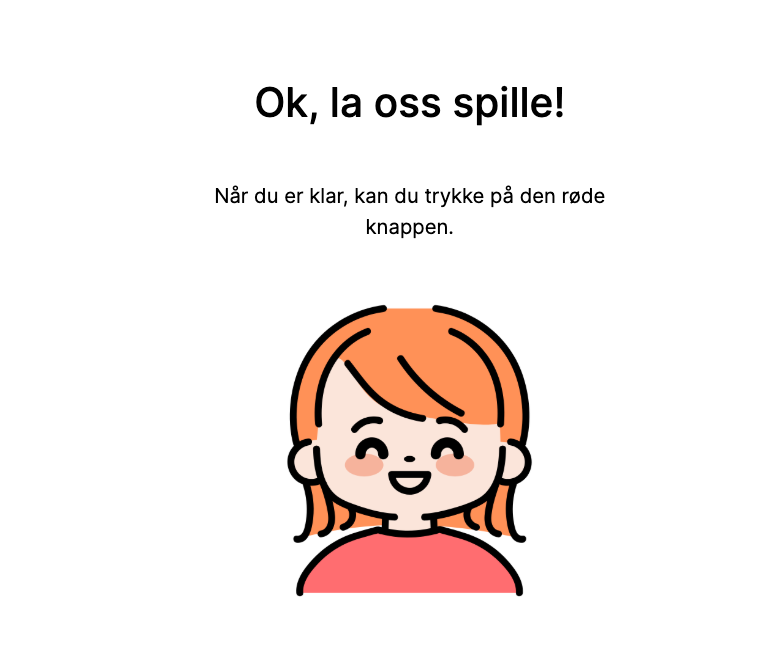
Post-practice round set of instructions for Solveig's game/backward digit span. It is explained that the real task will get progressively harder.
Creative Commons Attribution (CC BY)
Built with Task Builder 2
Post-game finishing screen for Solveig's game/backward digit span.

Fully open! Access by URL and searchable from the Open Materials search page